Kakobuy Spreadsheet

For resellers operating in the cross-border commerce and drop-shipping space, inconsistent product quality remains a primary hurdle to scaling operations and building lasting customer trust. The Mulebuy Spreadsheet emerges as a pivotal solution—a centralized tool designed to standardize and systemize quality control (QC) procedures across complex supply chains. This document serves as the operational core for establishing uniform inspection standards, providing resellers with a structured, repeatable framework to assess goods consistently before they reach the end consumer.
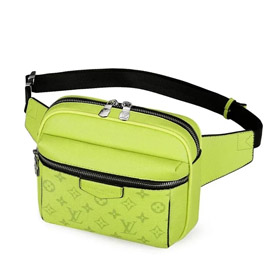
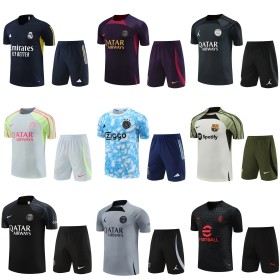
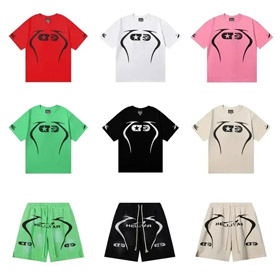
The fundamental power of the Mulebuy Spreadsheet lies in its capacity for templatization. Sellers can design precise QC checklists tailored to distinct product categories, detailing every critical inspection point. For instance, within apparel such as T-shirts/shorts, the template explicitly mandates checks for sizing accuracy against published charts, fabric composition and weight, and the integrity of stitching and seams. In cosmetics and skincare, the focus shifts to verifying original packaging, batch codes, expiration dates, and the complete seal integrity of jars or bottles. For categories like handbags and luggage, inspectors would systematically assess material authenticity and wear, the finish and function of zippers and hardware, and perform weight-bearing capacity tests. This explicit, category-specific requirement mapping eliminates subjective guesswork and ensures every item in a shipment undergoes identical scrutiny.
Beyond listing checkpoints, integrating a scoring or grading system elevates this QC process from a simple checklist to a robust analytical tool. A typical setup categorizes items as ‘Excellent’ (exceeds expectations), ‘Acceptable/Qualified’ (meets all standard requirements), or ‘Unqualified/Rejected’ (fails one or more critical checks). Crucially, for items flagged as ‘Rejected’, the spreadsheet logs the predetermined resolution action—whether it’s initiating a return to the supplier, requesting a replacement, or approving the item for a discounted sale with clear condition disclosures. This creates an immutable audit trail for every defective unit.
One of the most strategic advantages of consolidating QC data in the Mulebuy Spreadsheet is the ability to perform supplier analytics. By automatically calculating and tracking QC pass rates—the percentage of items rated ‘Excellent’ or ‘Acceptable’—across different suppliers over time, resellers gain powerful, data-driven insights. They can identify which partners consistently deliver high-quality T-shirts/shorts or stable cosmetics, and which are sources of frequent defects. This intelligence directly informs procurement strategy, enabling buyers to shift order volume toward reliable suppliers and implement corrective plans or phase out underperforming ones.
The ultimate outcome of adopting this standardized spreadsheet-driven QC protocol is a significant reduction in post-sale disputes and returns stemming from quality issues. By intercepting defects upstream, resellers protect their brand reputation, enhance customer satisfaction, and foster long-term trust. The Mulebuy Spreadsheet, therefore, is more than an administrative tool; it is the foundational system for building a professional, scalable, and trustworthy cross-border commerce operation focused on sustainable growth.
spreadsheet.pl Legal Disclaimer: Our platform functions exclusively as an information resource, with no direct involvement in sales or commercial activities. We operate independently and have no official affiliation with any other websites or brands mentioned. Our sole purpose is to assist users in discovering products listed on other Spreadsheet platforms. For copyright matters or business collaboration, please reach out to us. Important Notice: spreadsheet.pl operates independently and maintains no partnerships or associations with Weidian.com, Taobao.com, 1688.com, tmall.com, or any other e-commerce platforms. We do not assume responsibility for content hosted on external websites.