

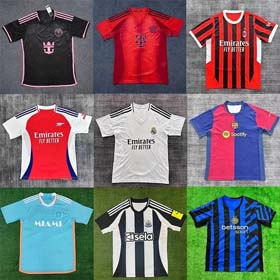




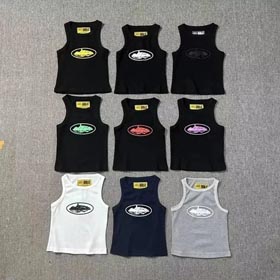



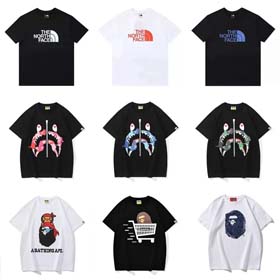

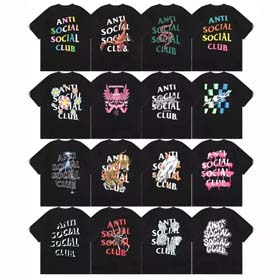

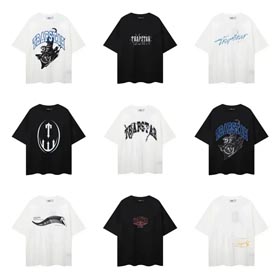
For cross-border e-commerce resellers specializing in T-shirts, the Pandabuy spreadsheet has evolved from a simple inventory tracker into a sophisticated operational engine. This dynamic tool enables sellers to move beyond guesswork, transforming raw data into actionable insights that directly drive sales. By systematically organizing product information, market trends, and customer preferences, resellers can fine-tune their Pandabuy T-shirt offerings with surgical precision.
Mastering Print Trends with Data-Driven Tracking
The core strength of a well-structured Pandabuy spreadsheet lies in its ability to map the ever-shifting landscape of T-shirt print popularity. Savvy resellers create dedicated sections to log print categories—such as 'Vintage Graphics,' 'Minimalist Lettering,' or 'Anime Art'—alongside real-time metrics. These include search volume fluctuations on sourcing platforms, observed sales velocity, and curated customer reviews from marketplaces. For instance, noticing a consistent spike in searches for "retro band logos" allows a reseller to proactively increase orders for that niche, capitalizing on the trend before it peaks. Discussions on fashion subreddits like r/streetwear or r/FashionReps often serve as early indicators for such trends, and referencing these communities in your data notes adds valuable context.
Fabric Analysis for Seasonal Optimization
Beyond prints, material choice significantly impacts customer satisfaction and repeat business. A dedicated spreadsheet tab for fabric performance transforms subjective feedback into comparable data. Resellers can catalog client comments on breathability, softness, and comfort across different materials. Data might reveal that 100% cotton varieties receive praise for daily wear and breathability in warmer months, while ice silk or polyester blends are favored for their moisture-wicking properties and cooler feel during summer. This allows for seasonally-aligned inventory strategies and targeted marketing, suggesting lighter fabrics in spring/summer campaigns and heavier blends as autumn approaches.
Personalization Through Customer Preference Logs
The most powerful spreadsheets go beyond general trends to capture individual customer data (while respecting privacy norms). A simple log linking customer identifiers to their purchased or browsed print styles unlocks potent personalization. A client who frequently buys sci-fi themed prints can be flagged for notifications when new designs in that category drop. Similarly, insights gleaned from community discussions on Reddit about emerging anime series can inform timely recommendations to buyers with a known interest in anime graphics. This tailored approach fosters loyalty and increases the likelihood of repeat purchases.
Building an SEO and Sourcing Advantage
Integrating keyword tracking within the spreadsheet bridges operational data with customer discovery. By monitoring the performance of search terms like "oversized vintage tee" or "minimalist Latin script shirt" across platforms, resellers can optimize their product titles and descriptions for better visibility. This data-driven SEO ensures the T-shirts you source via Pandabuy are found by the right audience. Furthermore, correlating this search data with sales performance helps identify which keywords truly convert, guiding both sourcing and marketing investments.
In essence, the Pandabuy spreadsheet is the control center for the modern T-shirt reseller. It consolidates trend signals from communities like Reddit, quantifies fabric and print performance, and empowers hyper-personalized customer engagement. By committing to this level of granular tracking and analysis, resellers transition from passive order-takers to proactive market players, systematically enhancing their T-shirt business's profitability and scale in the competitive cross-border e-commerce arena.