Kakobuy Spreadsheet

For cross-border dropshippers, managing product quality is one of the most challenging aspects of the business. Varied suppliers, remote inspections, and logistical complexities often lead to unexpected quality issues, resulting in customer complaints and disputes. In this context, the Mulebuy spreadsheet emerges as an indispensable organizational tool—especially when combined with systematic Mulebuy QC (Quality Control) processes. By creating a dedicated quality control section within the spreadsheet, dropshippers can establish a standardized, transparent, and data-driven approach to product oversight, significantly reducing post-sale complications and enhancing operational credibility.
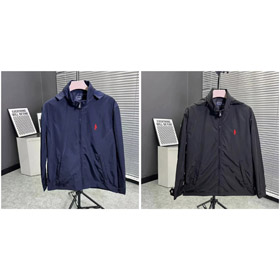
To implement effective quality control using the Mulebuy spreadsheet, it is recommended to set up a dedicated QC recording module. For each batch of products, dropshippers can document detailed Mulebuy QC results, noting observations on appearance, dimensions, and functionality against established benchmarks. Specifically, entries should record whether items meet specifications, and flag any defects, damage, or discrepancies such as missing or incorrect items. A crucial step is to include links to QC photos or clear notes on where these images are stored—whether in cloud drives or dedicated galleries—to allow easy verification later. For example, when importing Jackets, details like stitching quality, zipper function, and color accuracy should be logged alongside photo references. By doing so, any customer inquiry about product quality can be addressed swiftly by retrieving the corresponding QC record, ensuring prompt and accurate communication.
Beyond individual record-keeping, the Mulebuy spreadsheet enables meaningful data aggregation that supports smarter business decisions. Dropshippers can utilize formulas or pivot tables to calculate QC pass rates across product categories. For instance, you might discover that Jackets have a higher incidence of size deviations, while cosmetics often arrive with packaging damage. These insights allow you to identify patterns—which suppliers or product types consistently underperform—and adjust sourcing strategies accordingly. You might prioritize suppliers with consistently high QC scores or, for categories prone to minor flaws, proactively inform customers in product descriptions about potential imperfections (e.g., “minor size variations may occur”).
Adopting this structured approach transforms quality control from a reactive task into a proactive asset. Standardized QC records not only streamline internal workflows but also build client confidence. When customers see transparent, documented quality checks, trust in your dropshipping service grows. Moreover, consistent tracking helps reduce repetitive issues, leading to fewer returns and disputes. Over time, the Mulebuy spreadsheet becomes more than just a log—it evolves into a strategic dashboard for supplier evaluation, risk management, and continuous quality improvement in your cross-border e-commerce venture.
spreadsheet.pl Legal Disclaimer: Our platform functions exclusively as an information resource, with no direct involvement in sales or commercial activities. We operate independently and have no official affiliation with any other websites or brands mentioned. Our sole purpose is to assist users in discovering products listed on other Spreadsheet platforms. For copyright matters or business collaboration, please reach out to us. Important Notice: spreadsheet.pl operates independently and maintains no partnerships or associations with Weidian.com, Taobao.com, 1688.com, tmall.com, or any other e-commerce platforms. We do not assume responsibility for content hosted on external websites.